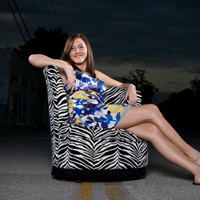
I have long been a fan of rim lighting and, given the opportunity, would prefer to use it over a single light source. Rim lighting, which is often referred to as back light or even hair lights, is simply light placed on your subject which gives the appearance of a light outline. This technique pulls the subject off the background and offers some depth and dimension to what you are shooting. This article outlines how to setup your lights to achieve such an effect and also covers some simple po
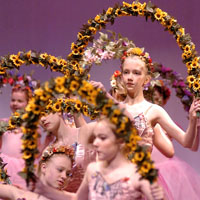
The reason many people are drawn to photography is its ability to communicate an idea universally. Writing, speech, and even most music depends on language. Photography does not. A great photo in England is a usually a great photo in China. A great novel in English is a just of bunch of jumbled symbols to someone who doesn't know the language. There is another form of art that has almost the same universal appeal and even more universal acceptance: Dance. Today we'll be taking a look at vario
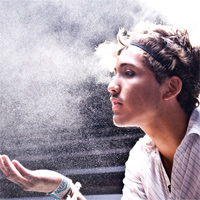
Do you ever see a picture and wonder how the photographer obtained perfect lighting on a subject? You might be asking "What kind of flash does he use?" or "What are the settings on his camera to get such lighting?" In this tutorial, I will be explaining the secrets to turning your pictures into perfection.
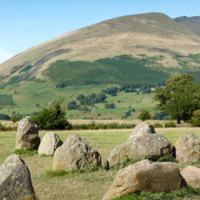
Have you ever got home after what you thought was a great day’s photography, only to upload your images and find that they were sharp in either the foreground or background but with the rest of the image not quite in focus? By applying the simple rules of Hyperfocal Distance you can be sure that you are shooting images which are sharp from foreground to background on almost every occasion. I will be using an image that I took recently of Castlerigg Stone Circle to show you how you can put t